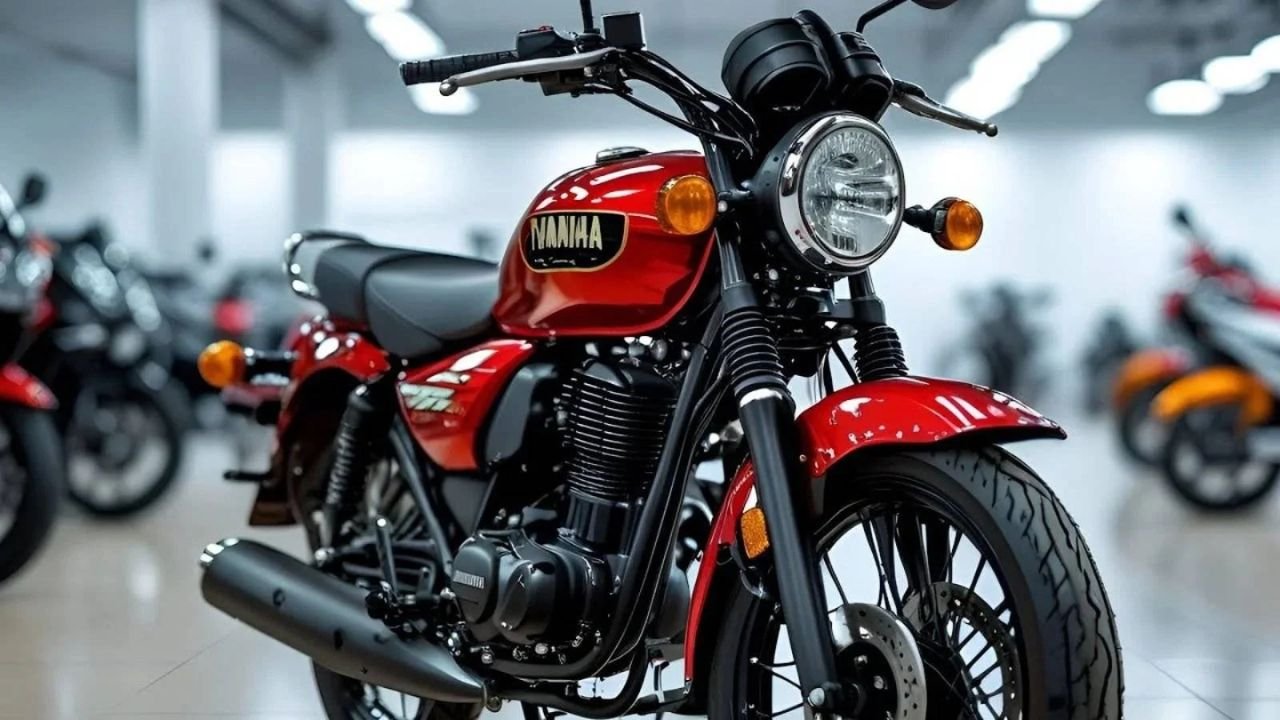

Ask any seasoned biker in India about the motorcycles that shaped the nation’s two-wheeler history, and the Yamaha RX100 will undoubtedly be among the first names to come up. This iconic bike was not just a mode of transport; it was a symbol of freedom, speed, and the pure joy of riding. In the 1980s and 90s, the Yamaha RX100 revolutionized motorcycling for a whole generation. With its raw, unfiltered performance and unmistakable engine roar, it earned a cult following that continues even today.
Unlike the modern bikes packed with digital displays, LED lights, and multiple riding modes, the Yamaha RX100 was all about the thrill of riding — simple, direct, and exciting. Its lightweight frame, sharp acceleration, and that signature exhaust sound made it a favourite among young riders and racers alike. Let’s take a nostalgic yet fresh look at what made the Yamaha RX100 such a beloved motorcycle and why it still commands respect in 2025.
Yamaha RX100 – Key Specifications at a Glance
| Feature | Details |
|---|---|
| Engine | 98cc, air-cooled, 2-stroke |
| Power | Approximately 11 HP |
| Gearbox | 4-speed manual |
| Weight | Around 100 kg |
| Top Speed | Approx. 100 km/h |
| Brakes | Front and rear drum brakes |
| Fuel Efficiency | 25–30 km/l (varies by tuning) |
| Suspension | Telescopic front forks, swingarm rear |
| Production Years | 1985 to 1996 (Discontinued) |
| Legacy | Cult status for performance and sound |
What Made the Yamaha RX100 So Special?
The Yamaha RX100 wasn’t just fast; it delivered power in a way that was thrilling and addictive. Its 98cc two-stroke engine, while small by today’s standards, was a beast in its era. The throttle response was razor-sharp, delivering instant torque that pushed riders back in their seats every time they twisted the grip. The high-revving nature of the engine made the bike incredibly exciting to ride.
One of the most unforgettable features of the Yamaha RX100 was its unique exhaust note—a raspy, aggressive “ting-ting-ting” that instantly caught attention wherever it roared. This sound became synonymous with performance and speed, giving the bike an unmistakable identity that no other 100cc bike could match.
Beyond its performance, the Yamaha RX100 had a timeless design. Its clean, no-nonsense styling with a round headlamp, simple bodywork, and classic lines gave it a look that has aged beautifully. Even today, the RX100’s aesthetics hold a special charm that appeals to vintage bike lovers and new riders alike.
Performance That Set It Apart
When Yamaha launched the RX100 in India during the mid-1980s, it quickly dominated its segment. While most motorcycles of that time struggled to find a balance between power and fuel efficiency, the RX100 boldly focused on pure speed and performance.
Thanks to its lightweight design (just about 100 kg), the bike had an impressive power-to-weight ratio. Riders could hit 0 to 60 km/h in under 7 seconds—a remarkable feat for a 100cc bike then. This made it a popular choice not only for daily commuting but also for drag racing and street competitions.
The 4-speed manual gearbox was smooth and responsive, giving riders precise control over acceleration and deceleration. Even beginners found the gear shifts satisfying and easy to master, which helped the bike gain widespread popularity.
Also Read – Maruti Suzuki Hustler: The Compact SUV Packed with Style, Features, and Efficiency
Handling and Suspension: Lightweight and Nimble
One of the standout characteristics of the Yamaha RX100 was its light and nimble handling. Equipped with telescopic front forks and twin shock absorbers at the rear, the suspension was well-tuned to tackle Indian roads. Though basic by today’s standards, it offered decent comfort over potholes and uneven surfaces.
The lightweight chassis allowed riders to weave easily through traffic or maintain composure on open roads. This handling quality was especially appreciated by young riders, college students, and early professionals who wanted a bike that felt agile and responsive.
Even today, vintage RX100 owners praise its balanced feel and the almost telepathic connection between throttle input and rear wheel response, a feature rare in many modern bikes.
Why the Yamaha RX100 Legacy Still Lives On
Although Yamaha discontinued the RX100 in 1996 due to evolving emission norms, the motorcycle’s legacy remains very much alive in 2025. Across India, bike enthusiasts and collectors actively seek out RX100s to restore and preserve.
The passion for the Yamaha RX100 goes beyond nostalgia. This bike represents an era when riding was about skill, sound, and raw fun, untouched by technology. Many garages specialize in restoring RX100s, sourcing original parts, and replicating the classic paint and decals to bring these bikes back to life.
Racing and Modding Culture Around the Yamaha RX100
The RX100 was a dream bike for tuners and racers. Its simple two-stroke mechanics made it easy to modify and upgrade. Riders would often port the engine cylinders, add expansion chambers, and tweak carburetors to extract extra power.
Some modified RX100s could achieve speeds exceeding 120 km/h, rivaling larger displacement bikes. This made it a favourite at drag races, rallies, and underground street competitions during the 90s and early 2000s.
The bike became more than just a motorcycle; it became a canvas for creativity and performance tuning, cementing its cult status among Indian bikers.
Can You Still Ride a Yamaha RX100 in 2025?
Absolutely! Though the Yamaha RX100 is no longer in production, many well-maintained or restored models remain on the roads today. However, finding one in good condition can be a challenge.
Prices for a well-preserved RX100 vary widely—from ₹70,000 for a decent model to ₹1.5 lakh or more for fully restored, original-condition bikes. Special colour variants or bikes with rare parts command even higher prices.
Parts availability is a concern since some components are no longer manufactured. While aftermarket vendors reproduce some spares, others must be sourced from scrapped RX100s or imported. For dedicated fans, these challenges only add to the bike’s allure.
Using an RX100 as a daily rider means preparing for slightly higher fuel costs and more frequent maintenance than modern four-stroke motorcycles. But for those who ride for passion, nothing beats the Yamaha RX100 experience.
FAQs About the Yamaha RX100
Q1: Why was the Yamaha RX100 discontinued?
The RX100 was discontinued due to stricter emission regulations in the late 1990s. Its two-stroke engine couldn’t meet newer BS emission norms, leading to its phase-out.
Q2: Is the Yamaha RX100 still road legal?
Yes, as long as the bike is registered, insured, and passes pollution control (PUC) checks in your area, it remains legal to ride.
Q3: What is the real-world mileage of the Yamaha RX100?
Typically, the bike delivers around 25–30 km/l depending on riding style and tuning.
Q4: Is the Yamaha RX100 a good investment today?
Definitely. Its vintage appeal and limited availability have made it a collector’s item, with resale values steadily rising.
Q5: Could Yamaha relaunch the RX100?
There are ongoing rumors and Yamaha has expressed interest in reviving the RX brand. However, reviving a two-stroke RX100 is unlikely due to emission laws. A modern four-stroke version might appear but won’t replicate the original’s soul.
Conclusion: Yamaha RX100 is More Than a Motorcycle — It’s a Legacy
In an age of rapid technology and flashy gadgets, the Yamaha RX100 reminds us of motorcycling in its purest form. This bike was built to thrill with its raw power, simplicity, and unmistakable character. Even decades after its discontinuation, it remains a beloved icon, restored lovingly by enthusiasts and remembered fondly by riders across generations.
For anyone lucky enough to own or ride a Yamaha RX100, it’s not just a motorcycle — it’s an experience filled with memories, passion, and timeless joy.
Would you love to see the Yamaha RX100 make a comeback? Share your thoughts and RX100 stories with us below!
Some Important Link
| Download News APP | Click Here |
| WhatsApp Group | Click Here |
| Home Page | Click Here |